

Grit chambers play a crucial role in the complex process of wastewater treatment. As a vital component of the treatment system, their function is to remove grit-such as sand, gravel, and other small, heavy solid particles-from the wastewater.
If left unremoved, these materials can cause serious damage to downstream processes and equipment.
This article explores the details of grit chambers, including their functions, types, design considerations, and their overall importance in the wastewater treatment process.
Understanding the Role of Grit Chambers
The primary function of a grit chamber is to protect the mechanical equipment of a wastewater treatment plant from potential damage caused by grit.
In the context of wastewater treatment, "grit" refers to inorganic solids such as sand, gravel, eggshells, bone fragments, seeds, and similar materials.
Because these substances are heavier than the biodegradable organic solids present in the wastewater, they can be effectively separated within the grit chamber.
Without a grit chamber, these materials would proceed into the treatment process, causing mechanical wear, pipe blockages, and negatively impacting the efficiency of subsequent treatment stages.
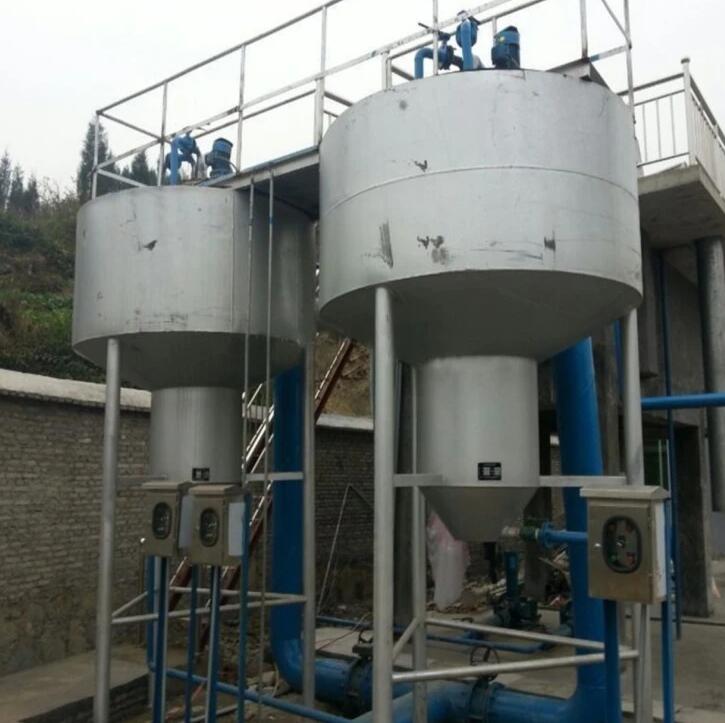
Therefore, removing grit at the initial stage of treatment is essential for maintaining the operational lifespan and efficiency of the wastewater treatment plant.
How Grit Chambers Work
Grit chambers operate based on the principle of sedimentation. As wastewater enters the chamber, its flow velocity decreases, allowing heavier grit particles to settle to the bottom under the influence of gravity.
The settled grit is collected and removed from the chamber, while the grit-free wastewater proceeds to the next stage of treatment.
The efficiency of grit removal depends on several factors, including the size and specific gravity of the grit particles, the flow velocity of the wastewater, and the design of the chamber itself.
These factors must be carefully considered during the design and operation of grit chambers to ensure optimal performance.
Effective grit removal measures offer numerous benefits to wastewater treatment plants.
They extend the service life of mechanical equipment, reduce maintenance costs, enhance the efficiency of biological treatment processes, and prevent operational issues caused by clogged pipes and channels.
Grit removed from wastewater can be safely processed and disposed of, thereby minimizing the environmental impact of the treatment process.
In some cases, it can even be recycled for beneficial uses, such as road construction or landfill cover material.