

Wastewater treatment rarely captures the public's attention, yet for the operators maintaining municipal systems, every component is vital.
Grit chambers, in particular, ensure smooth system operation by protecting pumps, clarifiers, and other downstream processes from wear, clogging, and performance degradation.
In communities everywhere, these systems quietly remove sand, gravel, coffee grounds, and other dense particles, preventing them from abrading pumps or reducing tank capacity.
While understanding their purpose is important, knowing how to maintain them is what ensures the entire facility operates efficiently year-round.
The Role of Grit Chambers in Municipal Wastewater Treatment
In municipal wastewater treatment plants, grit chambers are designed to remove heavy inorganic matter from the sewage.
Materials such as sand, silt, and eggshells may seem harmless, but they can abrade pumps and valves, clog pipes, and lead to premature equipment maintenance needs.
The principle behind these chambers is theoretically simple but requires precise engineering: slowing the wastewater flow rate to allow heavier particles to settle out without causing lighter organic matter to settle as well.
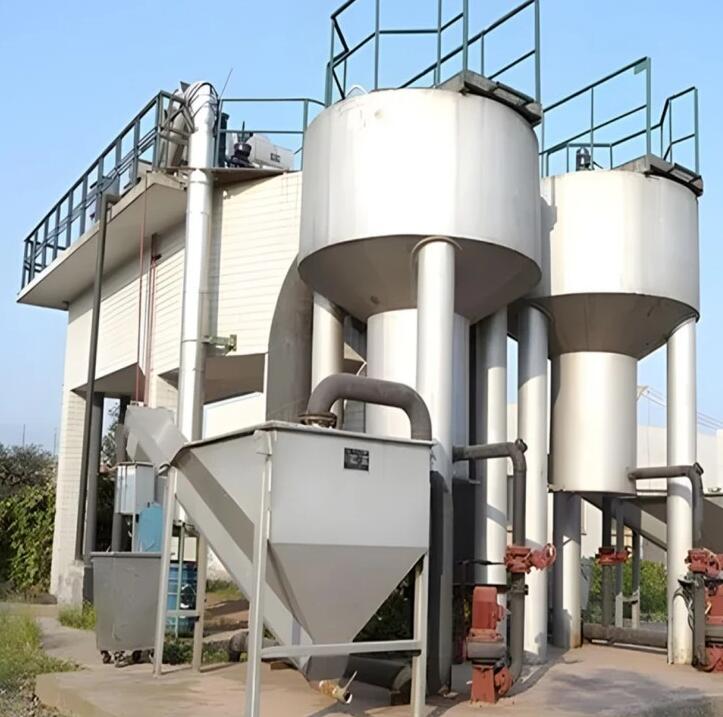
Horizontal flow chambers typically target a velocity of approximately one foot per second; this allows grit to settle to the bottom while keeping organic matter suspended for downstream biological treatment.
Common Types of Grit Chambers
Configuration requirements for grit chambers vary depending on the municipality and facility design. Although the fundamental purpose remains the same, separation methods and physical footprints can differ significantly.
Horizontal Flow Chambers
These chambers allow wastewater to flow at a precisely controlled velocity. If the flow is too fast, grit is washed away; if it is too slow, unwanted organic matter settles out.
Mechanical scrapers or conveyor systems are typically used to transport collected grit to a collection sump for removal. Aerated Grit Chamber
The aerated design allows air to flow along one side of the chamber in a controlled manner, keeping lighter organic matter suspended in the air while allowing grit to settle at the bottom.
Aeration also helps eliminate odors, simplifies the grit cleaning process, improves the odor of the final product, and makes it easier to process.
Vortex and Debris Systems
Vortex collection systems are compact and highly efficient, utilizing a swirling hydraulic pattern to drive grit toward the center for collection.
Debris collection tanks operate on a similar principle but may be larger in size, employing mechanical rakes to convey material to a hopper.