

Hey there! As a supplier of coarse bar screens, I've been getting a lot of questions lately about how bar arrangement impacts the screening performance of these essential wastewater treatment tools. So, I thought I'd take a deep dive into this topic and share my insights with you all.
First off, let's talk about what a coarse bar screen actually is. It's a simple yet crucial piece of equipment used in wastewater treatment plants to remove large debris such as sticks, rags, plastics, and other solid objects from the incoming wastewater. The basic design consists of a series of parallel bars spaced at a specific interval, allowing water to pass through while trapping the larger materials.

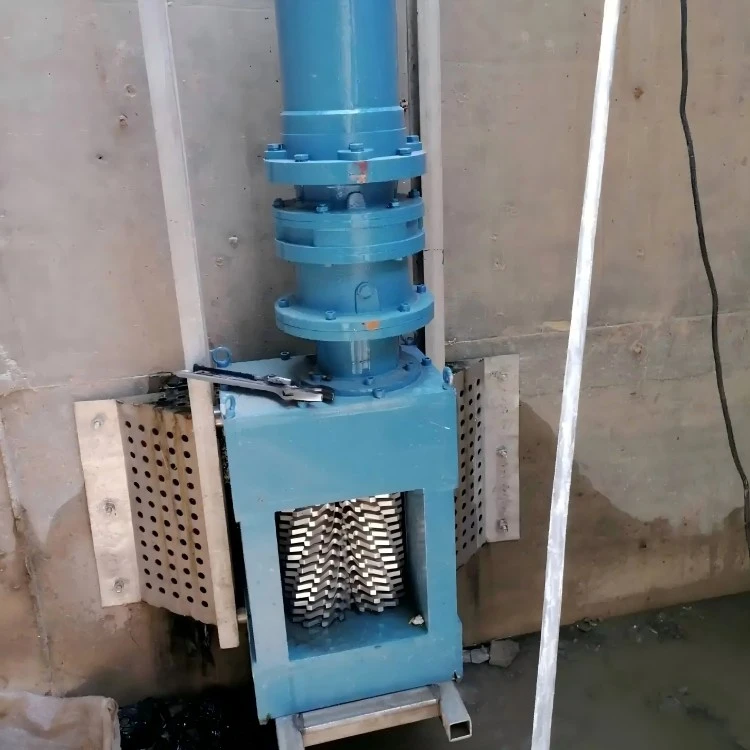
Now, the bar arrangement in a coarse bar screen can vary in several ways, and each variation has a significant impact on the screening performance. One of the most important factors is the bar spacing. The distance between the bars determines the size of the particles that can be effectively removed. A smaller bar spacing will catch smaller debris, but it also increases the risk of clogging, especially if the wastewater contains a high volume of solids. On the other hand, a larger bar spacing allows more water to flow through quickly, reducing the chances of clogging, but it may not capture smaller particles that could cause problems downstream.
For example, in a wastewater treatment plant that receives a lot of industrial waste with large pieces of debris, a wider bar spacing might be more appropriate. This ensures that the screen doesn't get overwhelmed and can handle the high flow rate. However, if the wastewater comes from a residential area with a lot of smaller items like sanitary wipes and small plastics, a narrower bar spacing would be necessary to prevent these materials from passing through.
Another aspect of bar arrangement is the orientation of the bars. There are generally two types: horizontal and vertical. Horizontal bars are more common and are often used in applications where the flow of wastewater is relatively slow. They are easier to clean and maintain, as the debris tends to accumulate on top of the bars and can be easily removed by a rake or other cleaning device. Vertical bars, on the other hand, are better suited for high-flow applications. They allow the water to flow more freely through the screen, reducing the headloss (the pressure drop across the screen) and minimizing the risk of clogging.
The shape of the bars also plays a role in the screening performance. Round bars are the most basic and widely used shape. They are simple to manufacture and have a relatively low cost. However, they may not be as effective at capturing certain types of debris, especially flat or flexible materials that can slip through the gaps. Rectangular or wedge-shaped bars, on the other hand, provide a more effective barrier. The flat surface of the rectangular bars and the tapered shape of the wedge bars make it more difficult for debris to pass through, improving the overall screening efficiency.
In addition to these factors, the density of the bars can also impact the screening performance. A higher bar density means more bars are packed into a given area, which can increase the surface area available for screening. This can be beneficial in applications where a high level of debris removal is required. However, it also increases the resistance to flow, which can lead to higher headloss and potentially more frequent clogging.
Now, let's talk about how these different bar arrangements can affect the overall operation of a wastewater treatment plant. A well-designed bar arrangement can improve the efficiency of the screening process, reducing the amount of debris that enters the downstream treatment processes. This can extend the lifespan of other equipment such as pumps, valves, and filters, and reduce the frequency of maintenance and repairs.
On the other hand, a poor bar arrangement can lead to a number of problems. Clogging is one of the most common issues. When the screen gets clogged, it restricts the flow of wastewater, causing backups and potentially damaging the equipment. This can result in costly downtime and repairs. In addition, if the screen doesn't effectively remove the debris, it can cause problems in the downstream treatment processes, such as fouling of membranes or damage to biological treatment systems.
So, how do you choose the right bar arrangement for your specific application? Well, it depends on a number of factors, including the type and volume of wastewater, the size and type of debris, and the flow rate. It's important to work with a knowledgeable supplier who can assess your needs and recommend the most suitable bar arrangement for your situation.
At our company, we have a wide range of coarse bar screens with different bar arrangements to meet the diverse needs of our customers. Whether you need a screen with a specific bar spacing, orientation, or shape, we can provide you with a customized solution. We also offer a range of complementary products such as Rotary Drum Screen Filter, Wastewater Sewage Grinder, and Channel Grinder to enhance the overall performance of your wastewater treatment system.
If you're in the market for a coarse bar screen or have any questions about bar arrangement and screening performance, don't hesitate to reach out to us. We'd be happy to discuss your needs and provide you with a free consultation. Our team of experts is always here to help you make the right choice for your wastewater treatment plant.
In conclusion, the bar arrangement of a coarse bar screen has a significant impact on its screening performance. By understanding the different factors involved and choosing the right bar arrangement for your specific application, you can improve the efficiency of your wastewater treatment process, reduce maintenance costs, and ensure the long-term reliability of your equipment. So, if you're looking for a high-quality coarse bar screen that delivers optimal performance, give us a call or send us an email today. We look forward to working with you!
References
- Metcalf & Eddy. (2014). Wastewater Engineering: Treatment and Resource Recovery. McGraw-Hill Education.
- WEF. (2019). Manual of Practice FD-24: Design of Municipal Wastewater Treatment Plants. Water Environment Federation.