

Hey there! As a supplier of Sludge Storage Tanks, I've seen firsthand how crucial it is to have a solid emergency response plan in place. You know, sludge storage tanks are used in a bunch of industries like wastewater treatment, mining, and manufacturing. They hold all that thick, gooey sludge, and if something goes wrong, it can spell big trouble. So, let's dive into what an emergency response plan for a Sludge Storage Tank should look like.
Risk Assessment
First things first, we gotta understand the potential risks associated with sludge storage tanks. One major risk is leakage. Sludge can be full of all sorts of nasty stuff like heavy metals, pathogens, and chemicals. If it leaks out, it can contaminate the soil, groundwater, and nearby water bodies. That's not only bad for the environment but can also pose a serious health risk to people and wildlife.
Another risk is over - pressurization. Sometimes, the gases produced during the decomposition of sludge can build up inside the tank. If the pressure gets too high, it can cause the tank to rupture, leading to a major spill. And let's not forget about structural failures. Over time, the tank can weaken due to corrosion, wear and tear, or poor maintenance.
Emergency Response Team
Having a well - trained emergency response team is key. This team should include people from different departments like operations, maintenance, safety, and environmental. They need to know their roles and responsibilities inside out.
The team should be trained in things like first aid, firefighting (if there's a risk of fire), and spill containment. Regular drills should be conducted to make sure everyone is ready to act quickly in case of an emergency. For example, they should practice how to shut off the inflow and outflow valves of the tank, how to activate the emergency drainage system, and how to use the spill - control equipment.
Communication Plan
Communication is super important during an emergency. There should be a clear communication plan in place. This includes having a list of emergency contacts, such as local emergency services, environmental agencies, and nearby communities.
In case of an incident, the emergency response team should immediately notify the relevant authorities. They also need to communicate with the employees on - site to ensure their safety. A public communication strategy should be developed to keep the nearby communities informed about the situation and any potential risks.
Containment and Clean - up
When a spill occurs, the first step is to contain it. There should be spill - control equipment readily available, such as booms, absorbent pads, and barriers. The emergency response team should quickly deploy these to prevent the sludge from spreading further.
Once the spill is contained, the clean - up process can begin. This might involve using Slurry Dewatering Equipment to separate the solid and liquid components of the sludge. The dewatered sludge can then be properly disposed of, while the liquid can be treated further.
Monitoring and Follow - up
After the clean - up, it's important to monitor the affected area. This includes testing the soil, water, and air for any contaminants. The results of these tests can help determine if any further action is needed, such as additional clean - up or long - term environmental remediation.

A follow - up investigation should also be conducted to find out what caused the emergency. This can help identify any weaknesses in the system and allow for improvements to be made to prevent similar incidents in the future.
Equipment and Maintenance
Regular maintenance of the sludge storage tank is essential to prevent emergencies. The tank should be inspected regularly for signs of corrosion, leaks, and structural damage. Any issues should be addressed immediately.
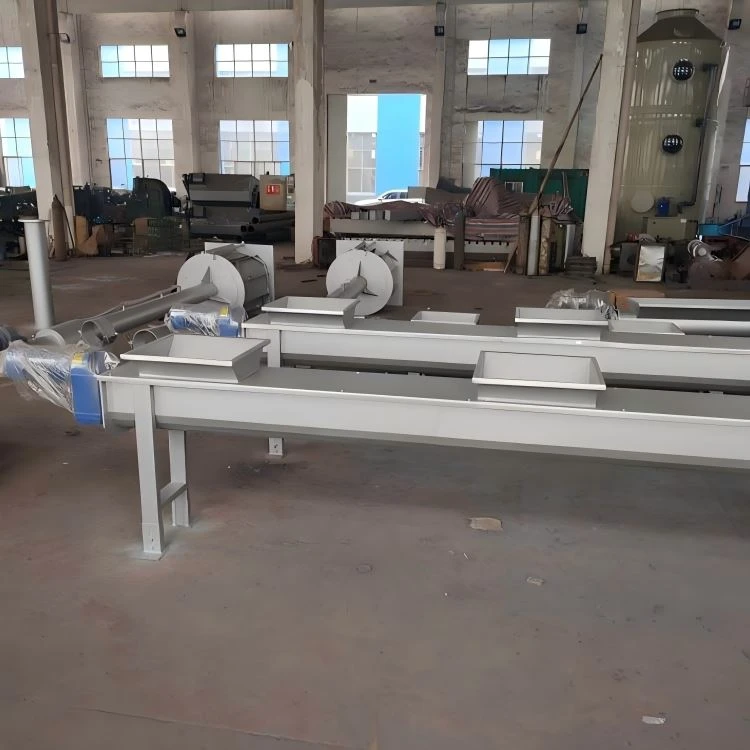
In addition to the tank itself, the associated equipment like pumps, valves, and pipes should also be maintained. For example, Shaftless Conveyor systems used to transport the sludge need to be in good working condition. And if there's a Daf Plant Water Treatment system connected to the tank, it should be maintained to ensure proper treatment of the sludge.
Training and Education
All employees who work around the sludge storage tank should receive proper training. This includes training on the normal operation of the tank, safety procedures, and the emergency response plan.
New employees should be trained as soon as they start working, and refresher courses should be provided regularly. This helps keep everyone up - to - date with the latest safety protocols and emergency response techniques.
Conclusion
In conclusion, having an emergency response plan for a sludge storage tank is not just a good idea; it's a necessity. It can help protect the environment, the health of the people, and the reputation of the company. As a supplier, I always recommend my customers to have a comprehensive plan in place.
If you're in the market for a sludge storage tank or need help with developing an emergency response plan, I'd love to have a chat. We can discuss your specific needs and come up with the best solutions for you. So, don't hesitate to reach out for a friendly chat and start the procurement process.
References
- Occupational Safety and Health Administration (OSHA) guidelines on hazardous waste management.
- Environmental Protection Agency (EPA) regulations on sludge disposal and spill response.
- Industry best practices from wastewater treatment and mining associations.