
The impact of a polymer dosing system on aquatic organisms is a topic of significant importance in environmental science and water treatment. As a supplier of Polymer Dosing System, I have witnessed firsthand the various ways in which these systems interact with aquatic ecosystems.
Understanding Polymer Dosing Systems
Polymer dosing systems are designed to introduce polymers into water treatment processes. Polymers, often in the form of polyelectrolytes, are long - chain molecules that can be used to coagulate and flocculate suspended particles in water. This process is crucial for solid - liquid separation in wastewater treatment plants, drinking water treatment facilities, and industrial processes.
In a typical polymer dosing system, polymers are prepared in a mixing tank and then precisely dosed into the water stream at a specific rate. The dosage is carefully controlled based on factors such as the quality of the incoming water, the type of particles present, and the desired treatment outcome.
Positive Impacts on Aquatic Organisms
Improved Water Quality
One of the most significant positive impacts of polymer dosing systems is the improvement of water quality. By effectively removing suspended solids, polymers help to clarify the water. This reduction in turbidity is beneficial for aquatic organisms in several ways.
Clearer water allows more sunlight to penetrate, which is essential for photosynthesis in aquatic plants. Aquatic plants, such as algae and seagrasses, are the primary producers in many aquatic ecosystems. They provide oxygen, food, and habitat for a wide range of organisms, including fish, invertebrates, and microorganisms.
For example, in a lake or river where a polymer dosing system is used to treat wastewater effluent, the increased sunlight penetration can lead to an increase in the growth of aquatic plants. This, in turn, can support a larger population of herbivorous organisms, which are then preyed upon by carnivorous fish and other predators.
Removal of Harmful Substances
Polymers can also help to remove harmful substances from water. Some polymers have the ability to bind to heavy metals, pesticides, and other contaminants. By removing these pollutants, polymer dosing systems can reduce the toxicity of the water, making it safer for aquatic organisms.
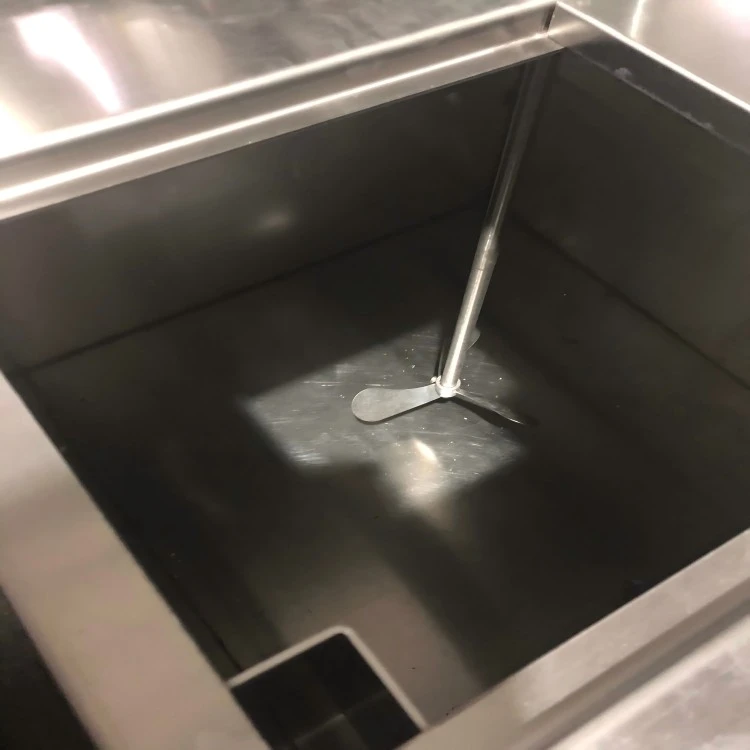

In industrial areas where wastewater may contain high levels of heavy metals, such as lead, mercury, or cadmium, a Polyelectrolyte Dosing System can be used to remove these metals. Heavy metals can accumulate in the tissues of aquatic organisms, causing a variety of health problems, including reduced growth, impaired reproduction, and even death. By removing these metals, polymer dosing systems can help to protect the health of aquatic populations.
Negative Impacts on Aquatic Organisms
Polymer Residues
Although polymers are generally considered to be safe, there is a potential for polymer residues to remain in the water after treatment. These residues can have negative effects on aquatic organisms, especially if they are present in high concentrations.
Some polymers may form a thin film on the surface of the water, which can reduce the exchange of oxygen between the water and the atmosphere. This can lead to oxygen depletion in the water, which is harmful to fish and other aerobic organisms. Additionally, polymer residues may be ingested by aquatic organisms, and there is some concern that they could accumulate in their tissues over time.
Changes in Ecosystem Structure
The use of polymer dosing systems can also lead to changes in the structure of aquatic ecosystems. By removing suspended solids and altering the water quality, polymers can change the availability of food and habitat for different species.
For example, if a polymer dosing system is used to treat a river that has a high sediment load, the removal of sediment may reduce the habitat for bottom - dwelling organisms, such as worms and insect larvae. These organisms are an important part of the food chain, and their decline could have a cascading effect on other species in the ecosystem.
Mitigating the Negative Impacts
Proper Dosing and Monitoring
To minimize the negative impacts of polymer dosing systems on aquatic organisms, it is essential to ensure proper dosing and monitoring. This involves carefully calibrating the polymer dosing system to ensure that the correct amount of polymer is added to the water.
Regular monitoring of water quality parameters, such as polymer concentration, dissolved oxygen, and turbidity, can help to detect any potential problems early. If the polymer concentration is too high or if there are signs of oxygen depletion, adjustments can be made to the dosing rate.
Use of Environment - Friendly Polymers
Another way to mitigate the negative impacts is to use environment - friendly polymers. Some polymers are designed to be biodegradable, which means that they will break down over time in the environment. These polymers are less likely to accumulate in the water and cause long - term problems for aquatic organisms.
The Role of Polymer Dosing Systems in Sustainable Water Management
Despite the potential negative impacts, polymer dosing systems play an important role in sustainable water management. With the increasing demand for clean water and the growing concern about water pollution, these systems are essential for treating wastewater and ensuring the availability of safe drinking water.
When used correctly, polymer dosing systems can help to protect aquatic ecosystems by improving water quality and reducing the release of pollutants into the environment. They can also be used in conjunction with other water treatment technologies, such as Rotating Sludge Scraper, to achieve more efficient and effective water treatment.
Conclusion
In conclusion, the impact of a polymer dosing system on aquatic organisms is complex and depends on a variety of factors, including the type of polymer used, the dosing rate, and the characteristics of the aquatic ecosystem. While there are potential negative impacts, such as polymer residues and changes in ecosystem structure, these can be mitigated through proper dosing, monitoring, and the use of environment - friendly polymers.
As a supplier of polymer dosing systems, we are committed to providing high - quality products that are designed to minimize the negative impacts on the environment. We work closely with our customers to ensure that our systems are used in a responsible and sustainable manner.
If you are interested in learning more about our polymer dosing systems or are considering a purchase for your water treatment facility, we encourage you to contact us for a detailed discussion. Our team of experts can provide you with the information and support you need to make an informed decision.
References
- Schwarzenbach, R. P., Gschwend, P. M., & Imboden, D. M. (2003). Environmental organic chemistry. Wiley - Interscience.
- USEPA. (2012). Technical fact sheet: Polymers in water treatment. United States Environmental Protection Agency.
- Vymazal, J. (2011). Constructed wetlands for wastewater treatment: Five decades of experience. Science of the Total Environment, 409(20), 4199 - 4231.