

A channel grinder, also known as a channel cutter or channel shredder, is an essential piece of equipment in various industrial and municipal applications, especially in wastewater treatment and solid waste management. As a supplier of channel grinders, I am well - versed in its functions, benefits, and applications, and I'm excited to share this knowledge with you.
How a Channel Grinder Works
At its core, a channel grinder is designed to reduce large solid objects into smaller, more manageable pieces. It is typically installed in channels or pipelines where wastewater or other fluids flow. The grinder consists of a set of rotating cutters or blades that are powered by an electric motor. When large debris such as branches, plastics, rags, and other solid waste enter the channel, the grinder's cutters capture and shred them.
The cutting mechanism can vary depending on the model. Some channel grinders use a single - shaft design, where a single rotating shaft is equipped with multiple blades. Others feature a multi - shaft design, which often provides more efficient shredding. In a multi - shaft grinder, the shafts rotate in opposite directions, creating a shearing action that effectively cuts through tough materials.
Applications of Channel Grinders
Wastewater Treatment
One of the most common applications of channel grinders is in wastewater treatment plants. In these facilities, large amounts of solid waste enter the system along with the wastewater. If left untreated, this debris can cause blockages in pipes, pumps, and other equipment, leading to costly downtime and maintenance.

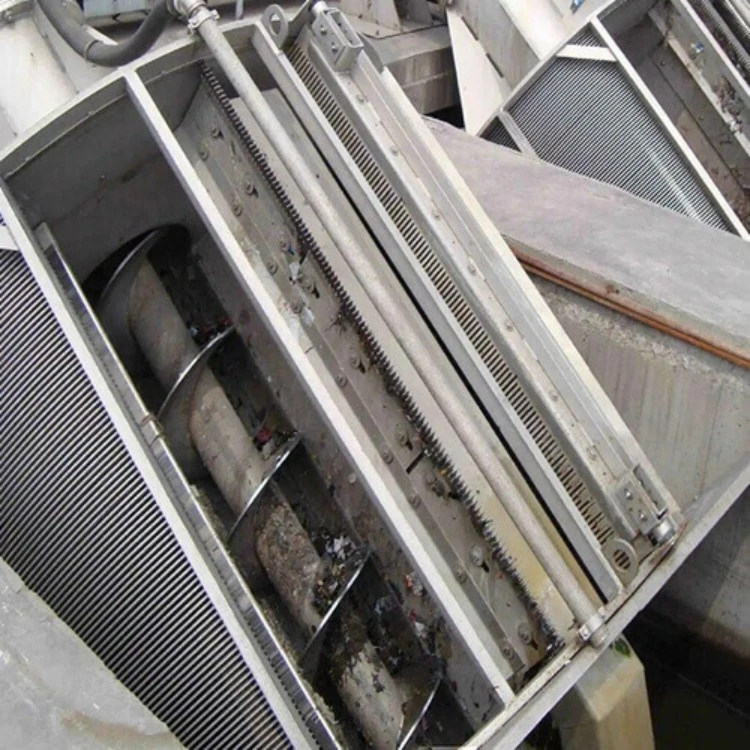
A channel grinder installed at the inlet of a wastewater treatment plant can prevent such issues by shredding the solid waste into small pieces. These smaller particles can then pass through the treatment system more easily, reducing the risk of blockages and improving the overall efficiency of the plant. For example, it can handle items like sanitary products, tree branches, and plastic bags that are commonly found in municipal wastewater.
Industrial Waste Management
In industrial settings, channel grinders are used to process a wide range of waste materials. For instance, in food processing plants, they can grind up food waste, bones, and packaging materials. In manufacturing facilities, they can handle scrap metal, plastic parts, and other industrial by - products. By reducing the size of these waste materials, channel grinders make it easier to transport and dispose of them, and in some cases, they can even facilitate recycling processes.
Stormwater Management
Channel grinders also play a role in stormwater management systems. During heavy rainfall, stormwater can carry a significant amount of debris such as leaves, twigs, and trash. A channel grinder installed in stormwater channels can shred this debris, preventing it from clogging storm drains and causing flooding.
Advantages of Using a Channel Grinder
Reduced Maintenance Costs
By preventing blockages in pipes and equipment, channel grinders can significantly reduce maintenance costs. Fewer blockages mean less frequent cleaning and repair work, which saves both time and money for plant operators. For example, in a wastewater treatment plant, a grinder can prevent the need for costly pump repairs due to clogging.
Improved System Efficiency
When solid waste is shredded into smaller pieces, it can flow more smoothly through the system. This improves the overall efficiency of the treatment or management process. In a wastewater treatment plant, for instance, the shredded waste can be more easily broken down by biological treatment processes, leading to better water quality at the outlet.
Environmental Benefits
Channel grinders can also have positive environmental impacts. By reducing the size of waste materials, they can make recycling more feasible. For example, shredded plastic waste can be more easily processed into new plastic products. Additionally, in wastewater treatment, a more efficient treatment process means cleaner water is discharged back into the environment.
Features to Look for in a Channel Grinder
Cutting Capacity
The cutting capacity of a channel grinder is an important factor to consider. It refers to the size and type of materials that the grinder can handle. A grinder with a high cutting capacity can handle larger and tougher debris, which is especially important in applications where large amounts of solid waste are present.
Durability
Since channel grinders are often exposed to harsh environments, such as wastewater and industrial waste, durability is crucial. Look for grinders made from high - quality materials, such as stainless steel, which can resist corrosion and wear. A durable grinder will have a longer lifespan and require less frequent replacement.
Easy Maintenance
Maintenance is an inevitable part of owning a channel grinder. Therefore, it is important to choose a model that is easy to maintain. This may include features such as easy - to - access cutters for cleaning and replacement, and a design that allows for quick disassembly and reassembly.
Related Products in Wastewater Treatment
In addition to channel grinders, there are other important products in wastewater treatment. For example, the Stainless Steel Bar Screen is a common pre - treatment device. It is used to remove large debris from wastewater before it enters the treatment process. The bars on the screen allow water to pass through while trapping large objects like logs and large pieces of plastic.
Another useful product is the Drum Screen For Wastewater Treatment. This type of screen rotates to separate solid waste from wastewater. It is effective in removing medium - sized debris and can be used in conjunction with a channel grinder for more comprehensive wastewater treatment.
The Coarse Bar Screen is also an important component in wastewater treatment. It is designed to remove large, coarse debris from the influent wastewater, protecting downstream equipment from damage.
Why Choose Our Channel Grinders
As a supplier of channel grinders, we offer a range of high - quality products that are designed to meet the diverse needs of our customers. Our channel grinders are built with durability in mind, using the latest materials and manufacturing techniques. They have high cutting capacities and are easy to maintain, ensuring long - term reliability and cost - effectiveness.
We also provide excellent customer service. Our team of experts can help you select the right channel grinder for your specific application, and we offer installation, maintenance, and repair services to ensure that your equipment operates at its best. Whether you are a small - scale industrial facility or a large - scale wastewater treatment plant, we have the solution for you.
Contact Us for Your Channel Grinder Needs
If you are in the market for a channel grinder or have any questions about our products, we encourage you to get in touch with us. Our sales team is ready to discuss your requirements, provide detailed product information, and offer competitive pricing. We believe that our channel grinders can make a significant difference in your wastewater treatment or waste management processes, improving efficiency and reducing costs. So, don't hesitate to reach out and start a conversation about how we can meet your needs.
References
- Metcalf & Eddy. (2003). Wastewater Engineering: Treatment and Reuse. McGraw - Hill.
- WEF (Water Environment Federation). (2019). Operation of Wastewater Treatment Plants: A Field Study Training Program. Water Environment Federation.