

Ensuring the pressure safety of a Sludge Storage Tank is of utmost importance in any industrial or environmental setting. As a reputable supplier of Sludge Storage Tanks, I understand the critical role these tanks play in the overall waste management process. In this blog, I will share some key strategies and best practices to guarantee the pressure safety of these essential storage units.
Understanding the Basics of Pressure in Sludge Storage Tanks
Before delving into safety measures, it's crucial to understand the sources of pressure within a Sludge Storage Tank. Sludge, which is a semi - solid mixture of water and solid particles, can generate pressure through several mechanisms. Biological activity within the sludge can produce gases such as methane, carbon dioxide, and hydrogen sulfide. These gases build up over time and increase the internal pressure of the tank. Additionally, the addition of new sludge, changes in temperature, and the settling of solids can also contribute to pressure fluctuations.
Design and Installation Considerations
The first step in ensuring pressure safety starts with the design and installation of the Sludge Storage Tank. When designing the tank, it's essential to calculate the maximum expected pressure based on factors such as the type of sludge, the volume of the tank, and the environmental conditions. The tank should be constructed using high - quality materials that can withstand the anticipated pressure. For example, steel tanks are a popular choice due to their strength and durability.
Proper installation is equally important. The tank should be installed on a stable foundation to prevent any movement or shifting that could compromise its structural integrity. Additionally, all connections, such as inlet and outlet pipes, should be properly sealed to prevent leaks and ensure that the pressure is contained within the tank.
Pressure Relief Systems
One of the most effective ways to ensure pressure safety is by installing a reliable pressure relief system. A pressure relief valve is a critical component of this system. It is designed to open automatically when the internal pressure of the tank exceeds a pre - set limit, allowing the excess gas to escape safely. The pressure relief valve should be regularly inspected and maintained to ensure that it is functioning correctly.
In addition to pressure relief valves, some tanks may also benefit from the installation of a vacuum relief valve. This valve prevents the formation of a vacuum inside the tank, which can occur when the sludge is removed or when there is a sudden drop in temperature. A vacuum can cause the tank to collapse, so having a vacuum relief valve is essential for maintaining the structural integrity of the tank.
Monitoring and Maintenance
Regular monitoring of the pressure inside the Sludge Storage Tank is essential for detecting any potential issues early. Pressure gauges should be installed on the tank to provide real - time information about the internal pressure. These gauges should be calibrated regularly to ensure accurate readings.
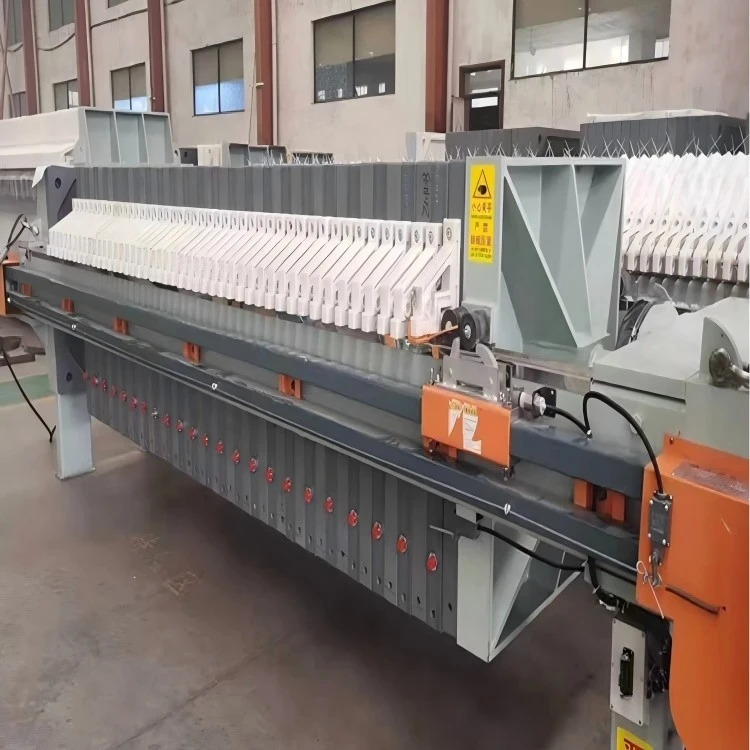
Maintenance is also a key aspect of pressure safety. The tank should be inspected regularly for signs of corrosion, leaks, or damage. Any issues should be addressed immediately to prevent further deterioration. Additionally, the sludge inside the tank should be managed properly to prevent excessive gas production. This can be achieved by using appropriate Plate and Frame Filter Press to remove excess water from the sludge, reducing the volume and the potential for gas generation.
Training and Education
All personnel involved in the operation and maintenance of the Sludge Storage Tank should receive proper training on pressure safety. They should be educated about the potential hazards associated with high pressure, how to monitor the pressure, and what to do in case of an emergency. Training should also cover the proper use and maintenance of the pressure relief systems.
Use of Complementary Equipment
To further enhance the pressure safety of the Sludge Storage Tank, complementary equipment can be used. For example, a Sludge Dehydrator can be employed to reduce the moisture content of the sludge before it is stored in the tank. This not only reduces the volume of the sludge but also decreases the potential for gas production.
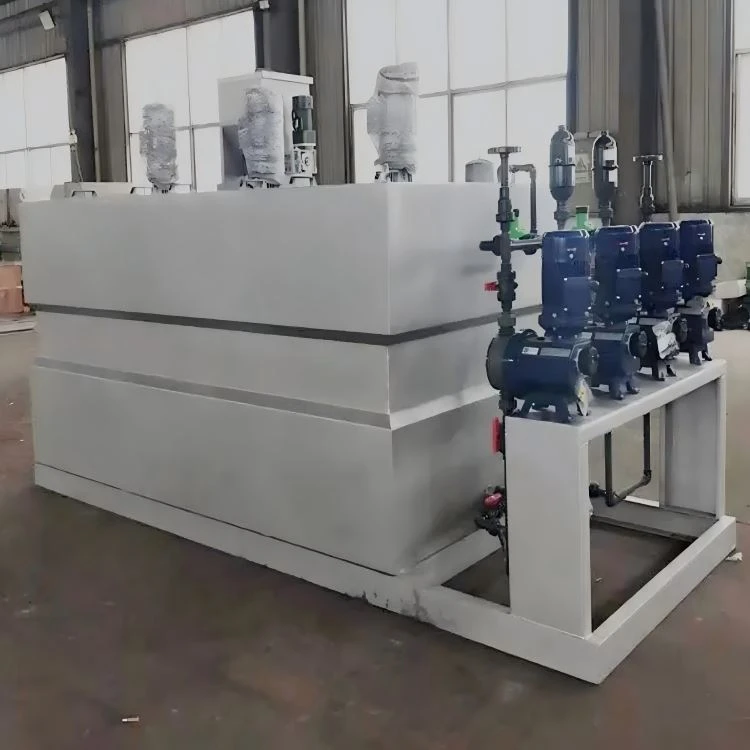
A Polyelectrolyte Dosing System can also be used to improve the dewatering process. By adding polyelectrolytes to the sludge, the solid particles can be flocculated, making them easier to separate from the water. This results in a drier sludge, which is less likely to generate excessive gas.
Emergency Response Planning
Despite all the preventive measures, emergencies can still occur. Therefore, it's essential to have a comprehensive emergency response plan in place. This plan should outline the steps to be taken in case of a pressure - related incident, such as a pressure relief valve failure or a tank rupture. It should include procedures for evacuating the area, shutting off the power supply, and notifying the relevant authorities.
Contact for Purchase and Consultation
If you are in the market for a Sludge Storage Tank or need further advice on ensuring pressure safety, we are here to help. Our team of experts has extensive experience in designing, installing, and maintaining Sludge Storage Tanks. We can provide you with customized solutions based on your specific requirements. Whether you need a small - scale tank for a local wastewater treatment plant or a large - scale tank for an industrial facility, we have the expertise and resources to meet your needs. Contact us today to start the procurement process and ensure the safety and efficiency of your sludge management system.
References
- "Sludge Management Handbook" by John Smith, published by Environmental Press.
- "Pressure Vessel Design and Safety" by Jane Doe, published by Engineering Publications.
- Industry standards and guidelines from relevant regulatory bodies, such as the American Society of Mechanical Engineers (ASME).