

Hey there! As a supplier of MBBR (Moving Bed Biofilm Reactor) filter media, I often get asked if our MBBR filter media can remove nitrogen compounds from wastewater. Well, let's dive right into it and break this down.
First off, what are nitrogen compounds in wastewater, and why do we need to remove them? Nitrogen compounds, mainly ammonia (NH₃) and nitrate (NO₃⁻), are common contaminants in wastewater. They come from various sources like human and animal waste, agricultural runoff, and industrial processes. High levels of nitrogen compounds in water bodies can cause a whole bunch of problems. For instance, they can lead to eutrophication, a process where excessive nutrients in the water cause an overgrowth of algae. This algae bloom can deplete oxygen levels in the water, killing fish and other aquatic life. It can also make the water look, smell, and taste bad, and even pose a health risk to humans if the water is used for drinking.
Now, let's talk about how MBBR filter media work and if they can deal with these nitrogen compounds. MBBR filter media are small, plastic carriers that provide a large surface area for microorganisms to grow on. These microorganisms form a biofilm on the surface of the media. When wastewater flows through the MBBR reactor containing these media, the biofilm comes into contact with the pollutants in the water.
The removal of nitrogen compounds in an MBBR system mainly relies on two biological processes: nitrification and denitrification.
Nitrification is the process where ammonia (NH₃) is first converted into nitrite (NO₂⁻) by bacteria called Nitrosomonas, and then the nitrite is further converted into nitrate (NO₃⁻) by another type of bacteria called Nitrobacter. This process requires oxygen, so in the MBBR system, aeration is usually provided to create an aerobic environment. The MBBR filter media provide an ideal habitat for these nitrifying bacteria to attach and grow. The large surface area of the media allows for a high concentration of bacteria, which can efficiently carry out the nitrification process.
Denitrification, on the other hand, is the process where nitrate (NO₃⁻) is converted into nitrogen gas (N₂) and released into the atmosphere. This process occurs in an anoxic (low - oxygen) environment and is carried out by denitrifying bacteria. In some MBBR systems, a part of the reactor can be designed to create an anoxic zone. The denitrifying bacteria use the nitrate as an electron acceptor and convert it into nitrogen gas.
So, to answer the question, yes, MBBR filter media can remove nitrogen compounds. The key lies in the proper design and operation of the MBBR system to support both nitrification and denitrification processes.

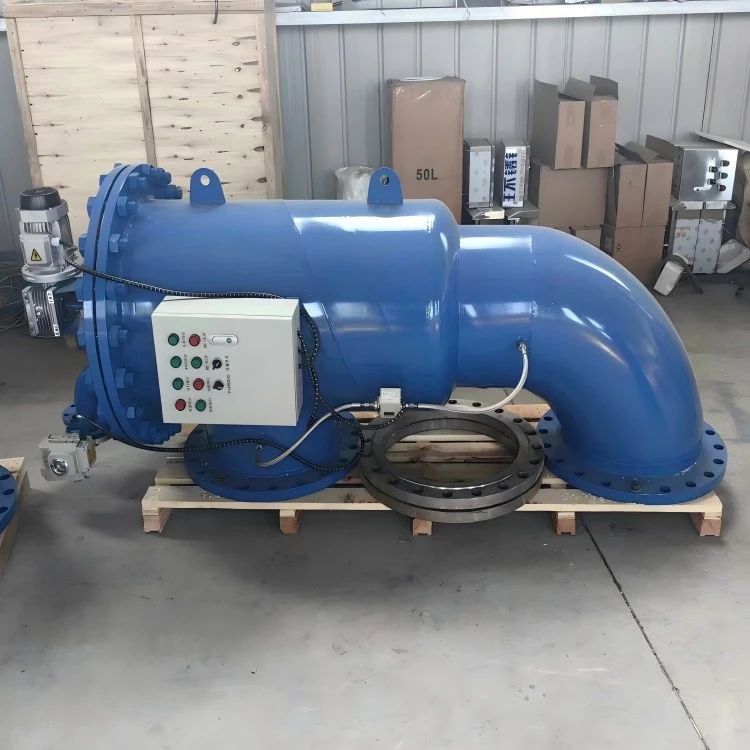
Let me share some real - world examples. In a municipal wastewater treatment plant, they installed an MBBR system with our filter media to upgrade their existing treatment process. Before the upgrade, the effluent had high levels of ammonia and nitrate, which didn't meet the environmental discharge standards. After the installation of the MBBR system, the ammonia was almost completely converted into nitrate through nitrification in the aerobic zone of the reactor. Then, in the anoxic zone, a significant portion of the nitrate was denitrified into nitrogen gas. As a result, the nitrogen compound levels in the effluent dropped significantly, and the plant was able to meet the strict discharge requirements.
Now, compared to other filtration methods, MBBR filter media have some distinct advantages when it comes to nitrogen compound removal. First, the biofilm on the MBBR media is more stable compared to suspended - growth systems. The media protect the bacteria from shear forces in the reactor, allowing them to grow and perform their functions more effectively. Second, the MBBR system is relatively easy to retrofit into existing wastewater treatment facilities. You don't have to tear down the whole plant; you can simply add the MBBR reactor with our filter media to enhance the treatment capacity.
If you're in the market for other related wastewater treatment products, we also have some great options. Check out our Continuous Rotary Filter, which is designed for continuous and efficient solid - liquid separation in wastewater treatment processes. And for automatic and hassle - free water filtration, our Automatic Self Cleaning Water Filters are a great choice. These filters can clean themselves, reducing the need for manual maintenance. We also offer Plastic Filter Nozzle, which are essential components in many filtration systems for distributing water evenly.
In conclusion, if you're dealing with nitrogen compound pollution in your wastewater, MBBR filter media can be a great solution. Our filter media are made of high - quality materials, and we have a team of experts who can help you design the most suitable MBBR system for your specific needs. Whether you're running a small industrial wastewater treatment plant or a large municipal facility, we can provide you with the right products and technical support.
If you're interested in learning more or starting a purchase negotiation, feel free to reach out. We're always happy to discuss how our MBBR filter media and other wastewater treatment products can solve your problems.
References:
- Metcalf & Eddy. (2014). Wastewater Engineering: Treatment and Resource Recovery. McGraw - Hill Education.
- Rittmann, B. E., & McCarty, P. L. (2001). Environmental Biotechnology: Principles and Applications. McGraw - Hill.